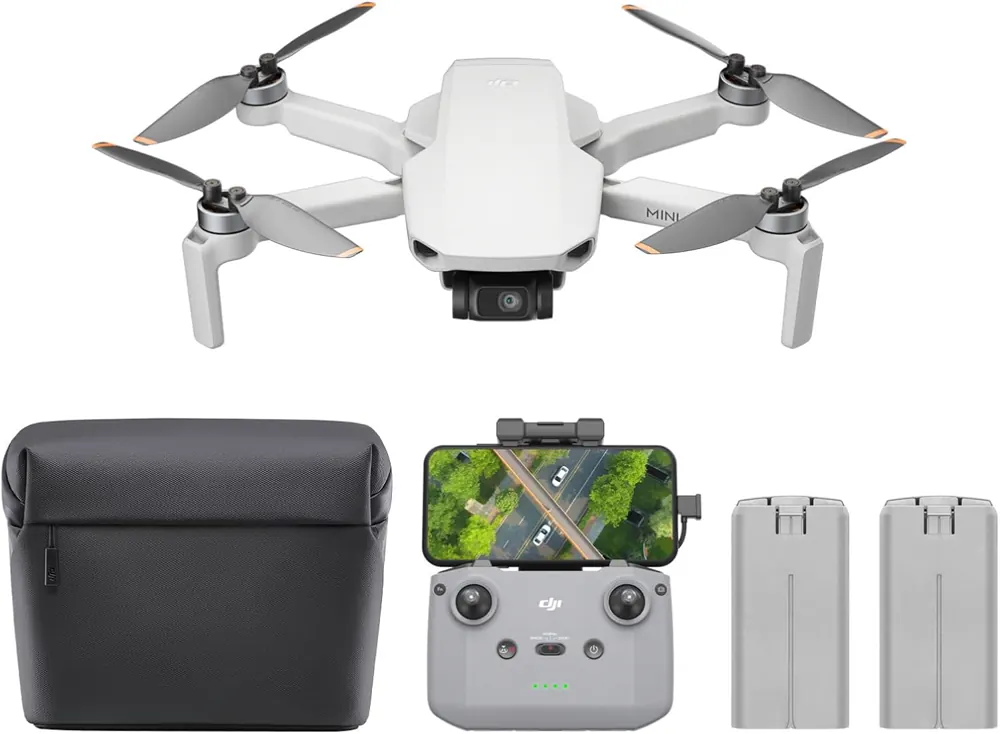
Buying your first drone is easy to overthink. Every listing wants to shout about range, camera numbers, flight time, and cinematic modes. The better question is simpler: what kind of flying are you actually going to do?
Start with weight and where you plan to fly.
A small drone is easier to carry, less stressful to practice with, and usually friendlier for beginners. Bigger drones can be more stable and more powerful, but they also raise the cost of mistakes. For a first drone, compact and easy-to-launch usually beats big and complicated.
Think about camera quality honestly.
If you want vacation clips, family shots, driveway practice, or quick social videos, you do not need a Hollywood camera. You need stable video, decent app controls, and a drone you are comfortable flying often. If you plan to edit footage seriously, then camera quality, gimbal stability, and storage matter more.
Budget for batteries.
A drone with one battery sounds fine until you realize practice time disappears fast. Extra batteries often matter more than a slightly better spec sheet. A good bundle with spare batteries, a bag, and useful accessories can be a better buy than a bare drone at a lower headline price.
Prioritize beginner safety features.
Look for stable hovering, return-to-home features, clear app controls, propeller guards for tiny starter drones, and easy replacement parts. Obstacle avoidance is helpful, but not every beginner drone has it. Do not assume the drone will save itself from every mistake.
Read the boring parts before buying.
Check what remote is included, what phone connection is needed, whether the battery kit is included, what app it uses, and what return policy applies. Drone listings can change bundles often, so confirm the exact package before you click buy.
Big Cyber Deals shortcut:
For most beginners, the right first drone is the one you will actually fly every week. Pick stable controls, easy setup, spare batteries, and a price that does not make every practice flight feel scary.
Drones
Best Beginner Drone Buying Rules
A plain-English first drone guide for people who want a fun, stable drone without overpaying for specs they will not use.